Eating well and keeping your muscle on GLP-1 medications
GLP-1 medications reduce appetite and slow digestion. When you eat less, it is easy to fall short on protein and nutrients and to lose muscle along with fat. A few changes to what and how you eat can help protect your muscle.
- Your prescribing doctor manages your GLP-1 medication. Nutrition works alongside your medical care.
- When weight comes off, some of it can be muscle. Protein and strength training help protect it.
- Small, protein-first meals, enough fluids and fibre can help with common side effects.
- Build habits now that you can keep if your dose changes or you stop the medication.
What GLP-1 medications do
GLP-1 medications copy a natural gut hormone. They slow the rate at which your stomach empties and act on the brain to reduce appetite. Many people eat much less food while they take them.
Your doctor prescribes and manages the medication. This article covers nutrition only. Do not change your dose without talking to your doctor.
Why muscle matters when you lose weight
When you lose weight quickly, a meaningful share of the loss can come from lean mass, including muscle. Muscle helps you stay strong, supports your joints and bones, and helps your body manage blood sugar.
Scales cannot show whether you are losing fat or muscle. A body composition scan estimates both separately, so you can see what is changing.
Eat protein first
With a smaller appetite, every meal counts. Eat the protein part of your meal first, before you fill up on other foods. Protein-dense foods can help you get more in when you can only eat small amounts:
- Greek yoghurt or skyr
- Eggs
- Fish, chicken and lean meat
- Cottage cheese or ricotta
- Tofu, tempeh and edamame
- Milk-based smoothies or a protein shake if solid food is hard
Read more about protein targets for women over 40.
Eat smaller meals, slowly
Because your stomach empties more slowly, large meals can cause discomfort, reflux or nausea. Smaller meals every 3 to 4 hours, eaten slowly and stopped when you feel satisfied, are often easier.
Fluids and fibre
Constipation is common on GLP-1 medications. Drink water through the day, not only with meals. Increase fibre slowly with vegetables, fruit, oats, legumes and wholegrains. A sudden large increase can cause bloating.
Managing nausea
- Eat smaller portions and stop before you feel full
- Choose lower-fat meals, as rich and fried foods can make nausea worse
- Avoid lying down straight after a meal
- Sip fluids between meals
Tell your doctor if side effects are severe, if you cannot keep fluids down or if they do not settle.
Watch for nutrient gaps
Eating less food can mean less iron, calcium, vitamin B12, vitamin D and other nutrients. Choosing nutrient-dense foods helps. Your GP can arrange blood tests, and Melissa can review your results through a nutrition lens.
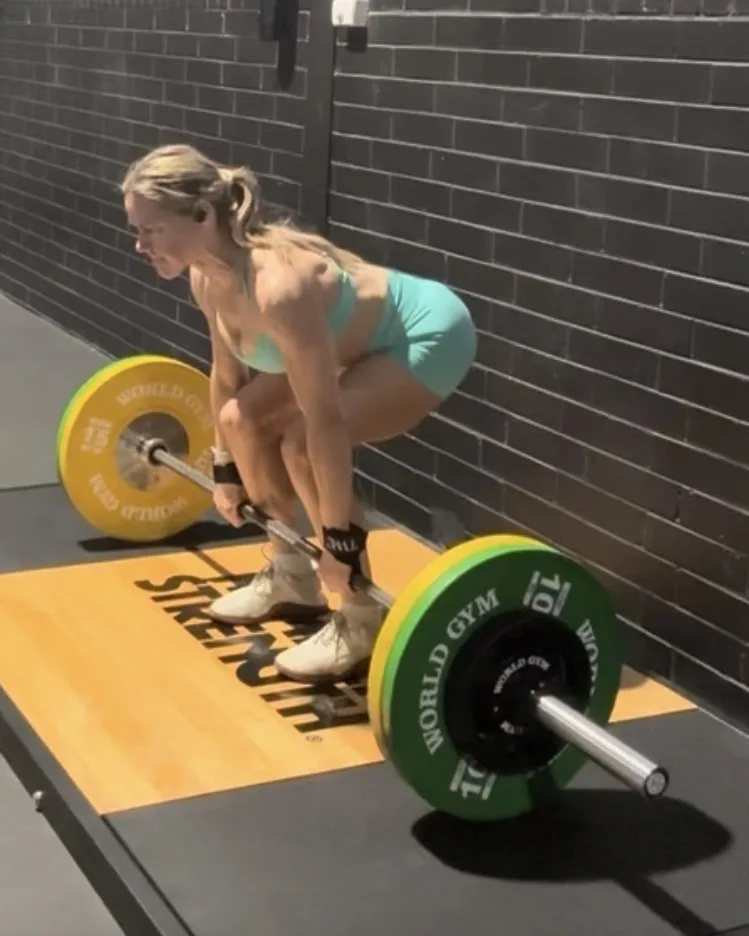
Keep up strength training
Strength training gives your muscles a reason to stay. Two to three sessions a week is a common recommendation. Check with your doctor before you start a new program, especially if you have a medical condition.
Plan for the long term
Your dose may change, or you may stop the medication at some point. Your appetite can return when that happens. Habits that you build now, such as protein at each meal, regular strength training and a meal structure that suits you, can help you keep your progress. Talk to your doctor about your long-term plan.
How Melissa can help
Melissa offers GLP-1 medication nutrition support in-clinic in Bentleigh East and online. She sets a protein target, helps you structure meals around a smaller appetite and side effects, and tracks muscle and body fat with repeat body composition scans. She works alongside your prescribing doctor.
Book with MelissaFree 15-minute discovery call
This article is general information only. It does not replace personal advice from your GP, prescribing doctor or another health professional. If you have a medical condition, are pregnant or take medication, talk to your doctor before you make big changes to your diet or supplements.
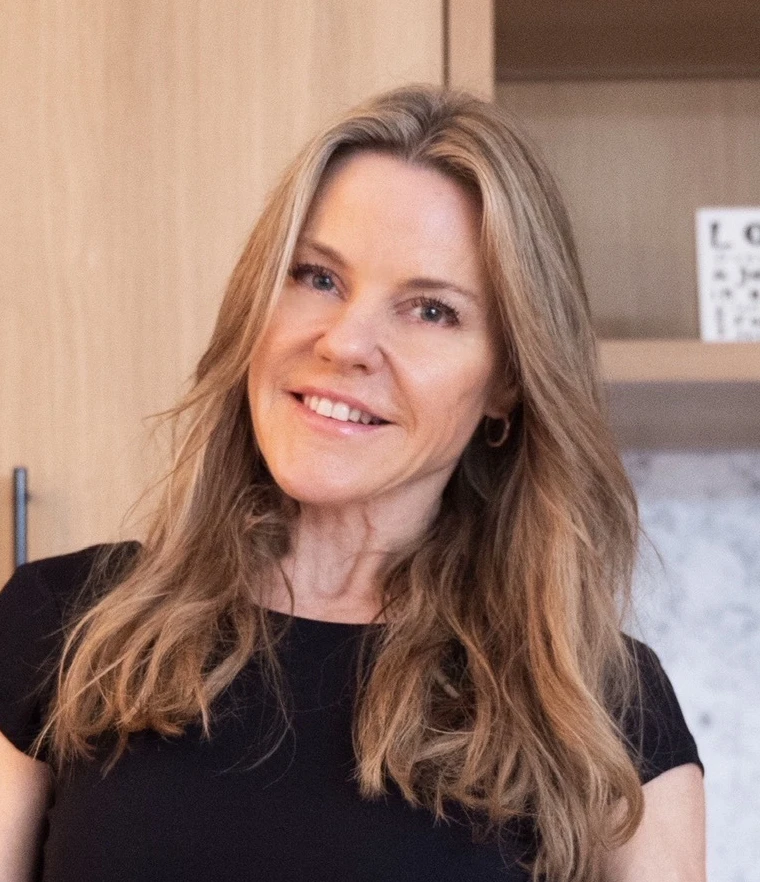
Talk it through with Melissa
Melissa Hernadi is a Certified Australian Nutritionist (General and Sports Nutrition) and Integrated Health and Functional Medicine Coach with 30+ years in health and fitness. She works with women 40+ and active adults on energy, body composition and long-term health.
Her first consultation includes a body composition scan, a review of your recent blood results through a nutrition lens and a tailored nutrition approach that fits your week. Melissa sees clients in-clinic at 74 Mackie Road, Bentleigh East, and online Australia-wide.
More nutrition articles
Practical nutrition for women 40+ and active adults. See all nutrition articles or meet Melissa.
Questions about nutrition on GLP-1 medications
Not sure where to start? Call us on (03) 9570 1552 or email reception@activehealth.com.au.
How much protein do I need on a GLP-1 medication?
It depends on your body size, health, training and goals. Many active adults aim for more than the basic recommended intake. Melissa can work out a target that suits you and that you can reach with a smaller appetite.
Can I exercise on a GLP-1 medication?
Most people can, and strength training is often recommended to help protect muscle. Check with your doctor first if you have a medical condition or are new to exercise.
What if I can barely eat?
Choose small, protein-dense foods and drinks, such as yoghurt, milk-based smoothies or a protein shake. If you cannot keep fluids down or feel unwell, contact your doctor.
Does Melissa prescribe or change GLP-1 medications?
No. Your prescribing doctor manages the medication. Melissa provides nutrition support alongside your medical care.
Book with Melissa Hernadi
Choose a time below, or call (03) 9570 1552. In-clinic at 74 Mackie Road, Bentleigh East, or online Australia-wide.