Protein for women over 40: how much you need and how to get it
Muscle naturally declines with age, and the hormone changes of perimenopause can speed that up. Eating enough protein, together with strength training, is one of the simplest ways to look after your muscle, strength and energy.
- Muscle mass and strength gradually decline from mid-life, and perimenopause can speed up the change.
- Many women over 40 eat less protein than suits their training and goals, especially at breakfast.
- Spreading protein across 3 to 4 meals is often easier than one large serve at dinner.
- Your needs depend on your body size, training, health and goals, so a personal plan beats a general rule.
Why protein matters more after 40
From around our 40s, muscle mass and strength slowly decline unless we do something to keep them. For women, the fall in oestrogen during perimenopause and menopause can make this change faster.
Muscle is not only about how you look. It helps you stay strong and independent, supports your bones and joints, helps your body manage blood sugar and makes everyday tasks easier. Protein gives your body the building blocks to repair and maintain muscle, and strength training gives it the reason to.
How much protein do women over 40 need?
Australia's Recommended Dietary Intake for women aged 19 to 70 is 0.75 g of protein per kilogram of body weight a day. That figure is designed to prevent deficiency in most people, not to support muscle in active adults.
Many researchers suggest that active and older adults may do better with more, often in the range of about 1.2 to 1.6 g per kilogram a day. For a 70 kg woman, that is roughly 84 to 112 g of protein a day.
These are general figures, not a target for everyone. If you have kidney disease or another medical condition, talk to your GP or an Accredited Practising Dietitian before you increase your protein.
Spread your protein across the day
Many people eat a small amount of protein at breakfast and lunch and most of it at dinner. A more even spread, for example about 25 to 40 g at each main meal, is a practical way to reach your daily total and to support muscle repair through the day.
Breakfast is often the easiest place to start. Toast and coffee may contain less than 10 g of protein. Eggs, Greek yoghurt or a smoothie with milk or protein powder can lift that a lot.
What 25 to 30 g of protein looks like
These are approximate amounts. Check food labels for exact values.
- About 100 to 120 g of cooked chicken, fish or lean red meat (about the size of your palm)
- 3 eggs plus a 150 g tub of Greek yoghurt
- A cup of high-protein Greek yoghurt with a handful of nuts
- 200 g of firm tofu or tempeh
- A can of tuna or salmon on wholegrain crackers with cottage cheese
- A smoothie with milk, Greek yoghurt and a scoop of protein powder
Plant-based? You can still get enough
Plant proteins such as tofu, tempeh, lentils, chickpeas, beans, edamame, nuts and seeds can meet your needs. Plant foods often contain less protein per serve, so you may need larger serves or a mix of sources at each meal. Soy foods and a plant protein powder can help.
Protein works best with strength training
Protein alone does not build muscle. Your muscles need a signal to adapt, and the strongest signal is resistance training. Two to three strength sessions a week, with weights, machines, bands or body weight, is a common recommendation for adults.
If you are new to strength training or have an injury, start with guidance. Our team can help you begin safely.
Common protein mistakes
- A low-protein breakfast and lunch, with most protein at dinner
- Eating too little food overall while trying to lose weight, which can cost muscle
- Relying on protein bars that are high in sugar and low in protein
- Cutting out whole food groups without a plan to replace their protein
How Melissa can help
Melissa looks at what you eat now, your training, your blood results and a body composition scan that measures muscle and body fat separately. She then works out a protein target and a meal structure that suit your body and your week. Repeat scans show whether your muscle is holding or improving, not just what the scales say.
Book with MelissaFree 15-minute discovery call
This article is general information only. It does not replace personal advice from your GP, prescribing doctor or another health professional. If you have a medical condition, are pregnant or take medication, talk to your doctor before you make big changes to your diet or supplements.
Talk it through with Melissa
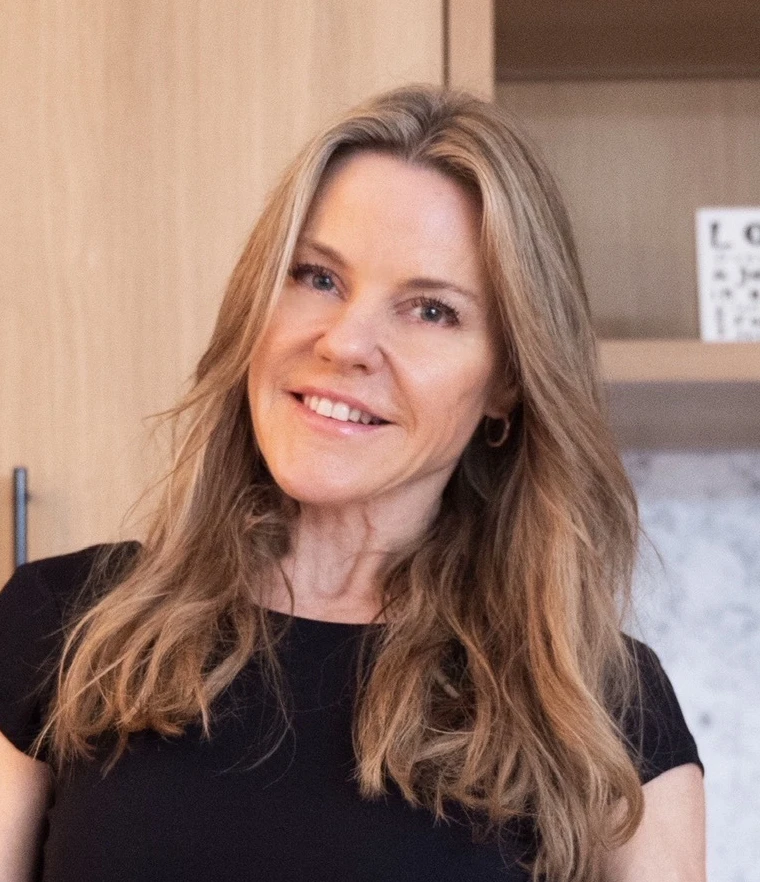
Melissa Hernadi is a Certified Australian Nutritionist (General and Sports Nutrition) and Integrated Health and Functional Medicine Coach with 30+ years in health and fitness. She works with women 40+ and active adults on energy, body composition and long-term health.
Her first consultation includes a body composition scan, a review of your recent blood results through a nutrition lens and a tailored nutrition approach that fits your week. Melissa sees clients in-clinic at 74 Mackie Road, Bentleigh East, and online Australia-wide.
More nutrition articles
Practical nutrition for women 40+ and active adults. See all nutrition articles or meet Melissa.
Questions about protein after 40
Not sure where to start? Call us on (03) 9570 1552 or email reception@activehealth.com.au.
Is a high-protein diet safe?
For most healthy adults, protein intakes in the ranges above are generally considered safe. If you have kidney disease or another medical condition, talk to your GP or an Accredited Practising Dietitian before you change your intake.
Do I need protein powder?
No. Protein powder is a convenience, not a requirement. Whole foods such as eggs, dairy, fish, meat, tofu and legumes can meet your needs. A powder can help on busy days or when your appetite is small.
Should I eat protein before or after training?
Your total protein across the day and an even spread matter most. A meal or snack with protein within a few hours of training is a sensible habit.
How do I know if I am losing muscle?
Scales only show total weight. A body composition scan estimates muscle and body fat separately, and repeat scans can show the trend over time. Melissa includes a scan in her initial consultation.
Book with Melissa Hernadi
Choose a time below, or call (03) 9570 1552. In-clinic at 74 Mackie Road, Bentleigh East, or online Australia-wide.