Perimenopause and menopause nutrition: what changes and what to eat
Many women find that what used to work stops working in their 40s and 50s. Hormone changes can shift where you store fat, how you sleep and how quickly you lose muscle. Your nutrition can change to match.
- Falling oestrogen can shift fat storage to the abdomen and speed up muscle and bone loss.
- Eating less and less often costs muscle, which can make the problem worse.
- Protein, fibre, calcium, strength training and sleep are the main areas to look at.
- Your GP manages menopausal hormone therapy and medical tests. Nutrition works alongside that care.
What changes in perimenopause and menopause
Perimenopause is the transition before your final period. It often starts in your 40s and can last several years. Menopause is confirmed 12 months after your final period. During this time, oestrogen and progesterone levels change and then fall.
These changes can affect your body in several ways:
- Fat storage can shift from the hips and thighs to the abdomen
- Muscle mass and strength can decline faster
- Bone density loss speeds up in the years around menopause
- Insulin sensitivity can fall, which affects blood sugar and appetite
- Sleep problems, hot flushes and night sweats can change your energy and cravings
- Cholesterol can rise
Why the old approach can stop working
A common reaction to midlife weight gain is to eat less and exercise more. Strict calorie cutting can reduce muscle as well as fat. Less muscle means less strength and can make weight harder to manage over time.
A more useful goal for many women is body recomposition: keeping or building muscle while reducing body fat. Read more in our article on body recomposition.
Put protein first
Protein supports muscle, keeps you full and helps steady your blood sugar when you eat it with carbohydrates. Many women in perimenopause benefit from more protein than they currently eat, spread across the day. Read how much protein women over 40 may need.
Look after your bones
Bone loss speeds up around menopause, so calcium, vitamin D, protein and strength training all matter. Australia's Recommended Dietary Intake for calcium is 1,300 mg a day for women over 50.
- Dairy foods such as milk, yoghurt and cheese
- Calcium-fortified plant milks
- Calcium-set tofu
- Canned salmon or sardines with the bones
- Almonds, tahini and leafy greens, in smaller amounts
Your body makes most of its vitamin D from safe sun exposure. Your GP can check your level with a blood test. Weight-bearing and strength exercise also helps bones. Our bone health exercise classes are designed for this.
Support blood sugar and appetite
Changes in insulin sensitivity can make blood sugar swings, energy dips and cravings more common. These habits can help:
- Eat protein and fibre with your carbohydrates
- Choose wholegrains, legumes, vegetables and fruit over refined carbohydrates
- Aim for at least 25 g of fibre a day, which is Australia's adequate intake for women
- Eat regular meals instead of long gaps followed by large meals
Look after your heart
The risk of heart disease rises after menopause. Oily fish, nuts, seeds, extra virgin olive oil, legumes and plenty of vegetables support heart health. Limiting ultra-processed foods, added sugar and alcohol also helps.
Alcohol, caffeine and sleep
For some women, alcohol, caffeine and spicy food can trigger hot flushes or disturb sleep. Poor sleep can increase appetite and cravings the next day. Notice your own triggers instead of following a strict rule.
What about soy and phytoestrogens?
Soy foods contain plant compounds called phytoestrogens. Research on soy and hot flushes is mixed, and any effect appears modest. Soy foods such as tofu, tempeh, edamame and soy milk can still be a useful source of protein and calcium. Talk to your doctor before you take high-dose supplements.
Working with your GP
Your GP manages menopausal hormone therapy, other medication and medical tests. Melissa works alongside your GP and looks at your blood results, body composition, training and routine to build a tailored nutrition approach for this stage of life.
Book with MelissaFree 15-minute discovery call
This article is general information only. It does not replace personal advice from your GP, prescribing doctor or another health professional. If you have a medical condition, are pregnant or take medication, talk to your doctor before you make big changes to your diet or supplements.
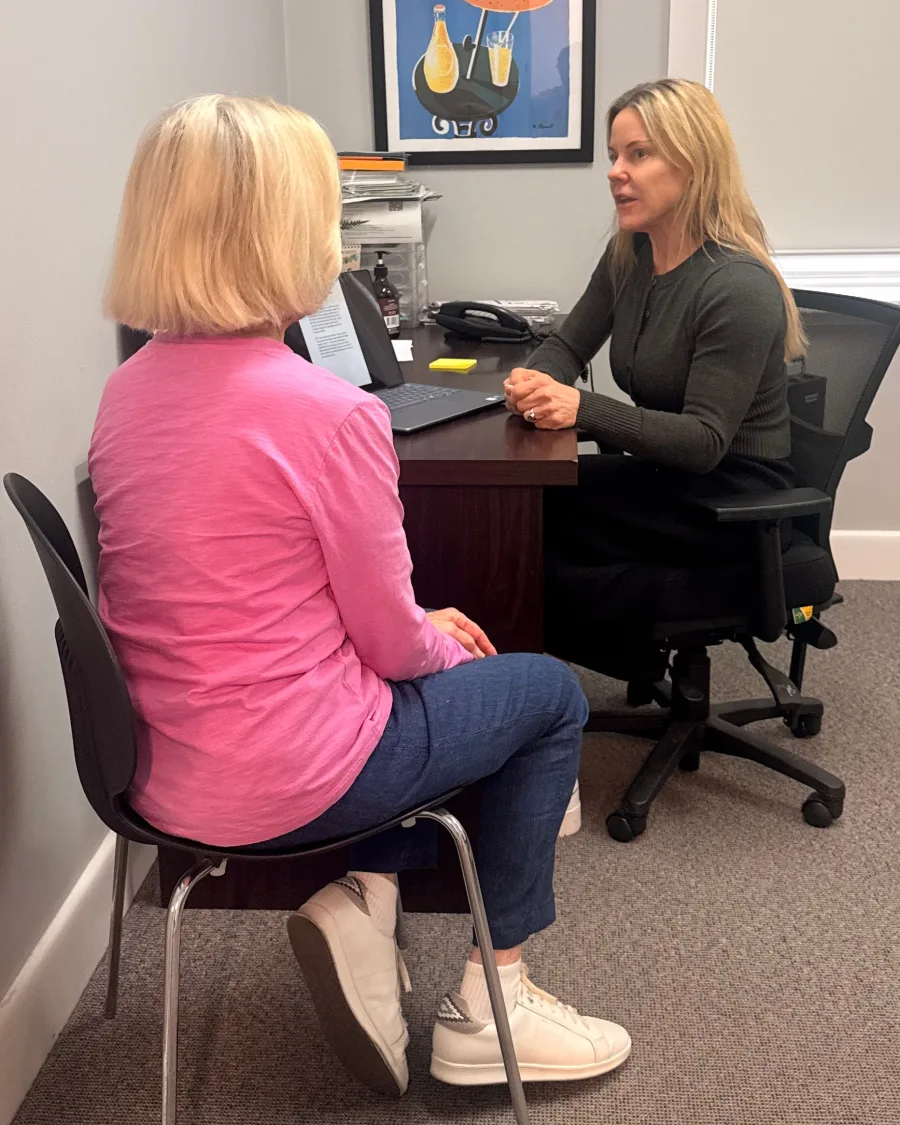
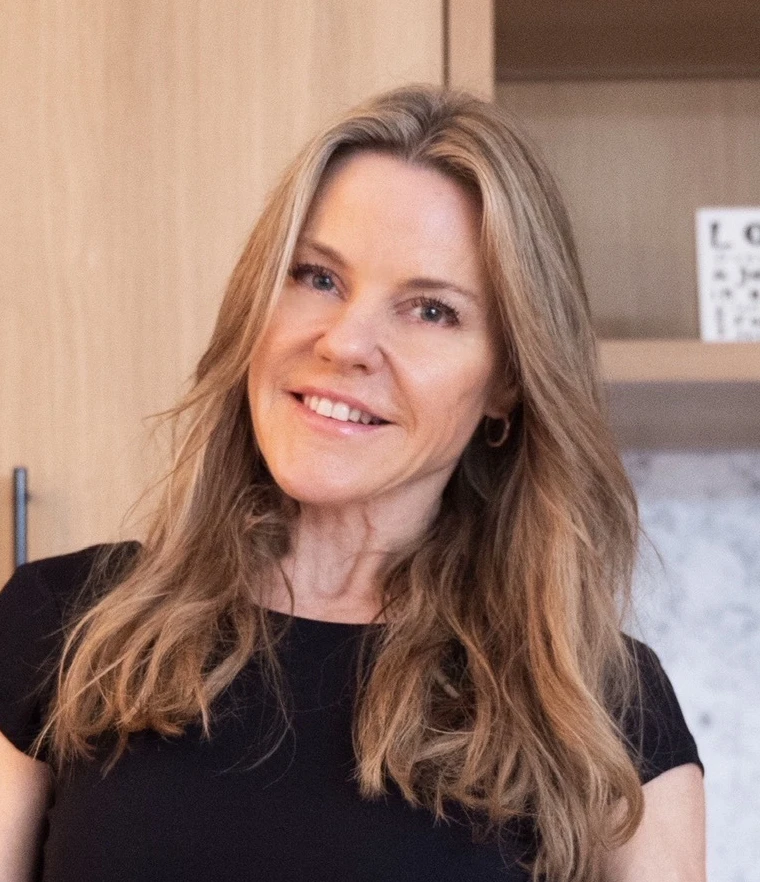
Talk it through with Melissa
Melissa Hernadi is a Certified Australian Nutritionist (General and Sports Nutrition) and Integrated Health and Functional Medicine Coach with 30+ years in health and fitness. She works with women 40+ and active adults on energy, body composition and long-term health.
Her first consultation includes a body composition scan, a review of your recent blood results through a nutrition lens and a tailored nutrition approach that fits your week. Melissa sees clients in-clinic at 74 Mackie Road, Bentleigh East, and online Australia-wide.
More nutrition articles
Practical nutrition for women 40+ and active adults. See all nutrition articles or meet Melissa.
Questions about menopause nutrition
Not sure where to start? Call us on (03) 9570 1552 or email reception@activehealth.com.au.
Why am I gaining weight around my middle in perimenopause?
Falling oestrogen can shift fat storage to the abdomen, and muscle loss, poor sleep and changes in insulin sensitivity can also play a part. Nutrition and strength training can help manage these changes, but everyone responds differently.
Should I eat less as I get older?
Not always. Eating too little can cost muscle. The quality and structure of your meals, especially protein, often matter more than cutting further.
Do soy foods help with hot flushes?
Research is mixed and any effect appears modest. Soy foods are still a good source of protein and calcium. Talk to your doctor before you take high-dose soy or other phytoestrogen supplements.
Can Melissa help if I take menopausal hormone therapy?
Yes. Your doctor manages your hormone therapy. Melissa focuses on your nutrition, body composition and training, and works alongside your GP.
Book with Melissa Hernadi
Choose a time below, or call (03) 9570 1552. In-clinic at 74 Mackie Road, Bentleigh East, or online Australia-wide.