Do you need those supplements? How to audit your supplement cupboard
Many people take several supplements without knowing whether they need them. Some are useful for the right person. Others overlap, interact with medication or simply cost money. A supplement audit sorts out which is which.
- Food comes first. Supplements fill a specific gap; they do not replace a good diet.
- Some supplements are useful for the right person, such as iron or vitamin D when a blood test shows a low level.
- More is not always better. High doses and overlapping products can cause harm.
- Some supplements interact with medication. Tell your GP and pharmacist what you take.
Why do a supplement audit?
It is easy to collect supplements over time: one for energy, one a friend recommended, one from a social media post. Many people end up taking products with overlapping ingredients, doses higher than they need or supplements that no longer suit them. An audit checks what you take, why and whether it still makes sense.
Food first
A varied diet with enough protein, vegetables, fruit, wholegrains, legumes, nuts, seeds and healthy fats provides most of the nutrients most people need. Supplements are most useful when there is a specific gap, such as a tested deficiency or a diet that excludes a food group.
Supplements that can be useful for the right person
- Vitamin D: when a blood test shows a low level, or you get little sun
- Iron: only when a blood test shows low iron. Taking iron you do not need can be harmful
- Vitamin B12: for people who eat a vegan diet, some older adults and anyone with a low level
- Calcium: when your diet does not provide enough, for example if you avoid dairy
- Omega-3 fats: if you rarely eat oily fish
- Creatine monohydrate: one of the most researched supplements for strength training and muscle, usually at 3 to 5 g a day
- Protein powder: a convenient way to reach your protein target, not a requirement
Supplements to question
- Fat burners and weight loss products
- Detox and cleanse products
- Proprietary blends that do not list how much of each ingredient they contain
- Megadoses, far above the recommended intake
- Several products that contain the same vitamins or minerals
Safety first
Supplements can interact with medication. For example, some herbal products affect how other medications work, and vitamin K can affect some blood-thinning medications. Tell your GP and pharmacist about everything you take, including herbal products.
In Australia, look for an AUST L or AUST R number on the label, which shows the product is listed or registered with the Therapeutic Goods Administration. Athletes in tested sports should choose products that are batch-tested for banned substances.
If you are pregnant, breastfeeding, have a medical condition or take medication, talk to your doctor before you start a new supplement.
How to do your own audit
Write down or photograph every supplement you take. For each one, note:
- The dose and how often you take it
- Why you started taking it
- Whether a blood test or health professional showed you need it
- Whether it overlaps with another product
- How much it costs each month
How Melissa can help
Melissa reviews your diet, your supplements and your recent blood results through a nutrition lens, and works alongside your GP. Bring your supplements, or photos of the labels, to your consultation. You leave knowing which ones suit you and which ones you may not need.
Book with MelissaFree 15-minute discovery call
This article is general information only. It does not replace personal advice from your GP, prescribing doctor or another health professional. If you have a medical condition, are pregnant or take medication, talk to your doctor before you make big changes to your diet or supplements.
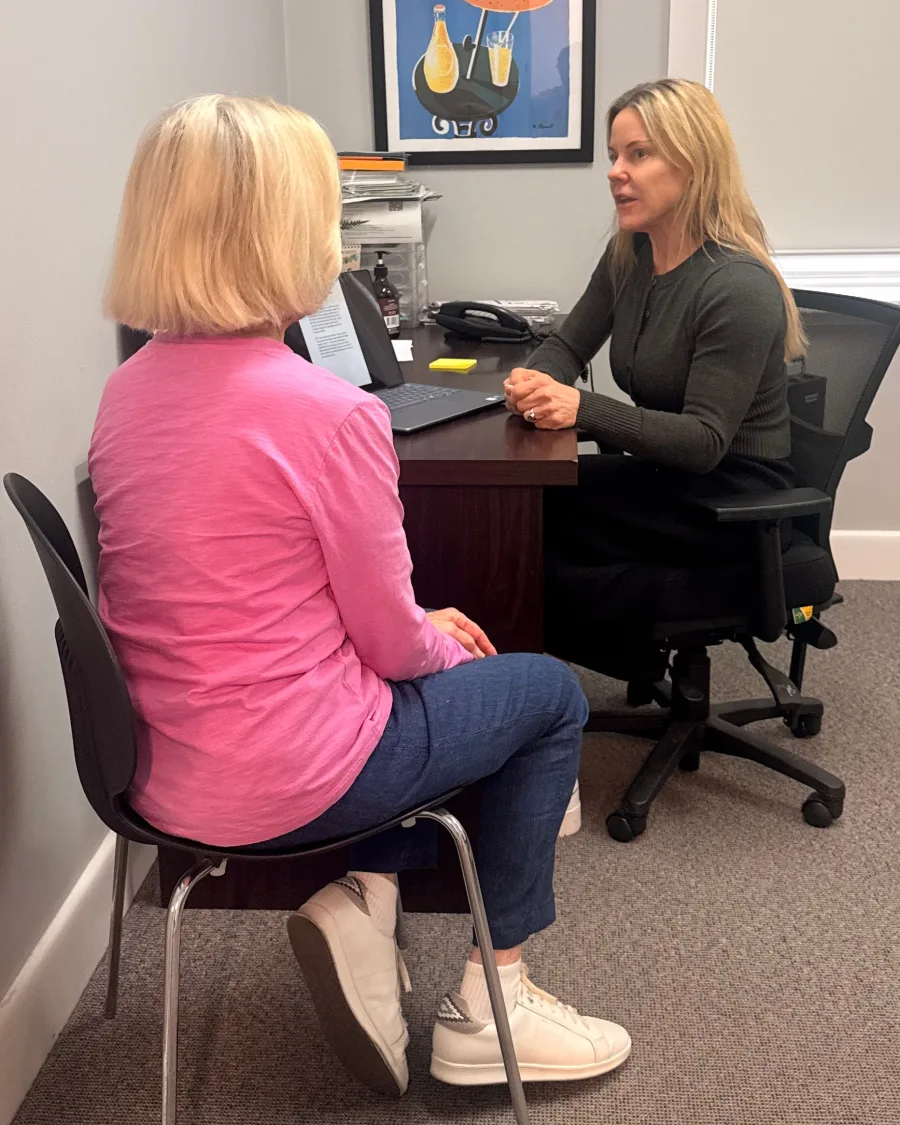

Talk it through with Melissa
Melissa Hernadi is a Certified Australian Nutritionist (General and Sports Nutrition) and Integrated Health and Functional Medicine Coach with 30+ years in health and fitness. She works with women 40+ and active adults on energy, body composition and long-term health.
Her first consultation includes a body composition scan, a review of your recent blood results through a nutrition lens and a tailored nutrition approach that fits your week. Melissa sees clients in-clinic at 74 Mackie Road, Bentleigh East, and online Australia-wide.
More nutrition articles
Practical nutrition for women 40+ and active adults. See all nutrition articles or meet Melissa.
Questions about supplements
Not sure where to start? Call us on (03) 9570 1552 or email reception@activehealth.com.au.
Should I take a multivitamin?
Many people who eat a varied diet do not need one. A multivitamin may suit some people, for example if your diet is very restricted. It does not replace a good diet. Talk to Melissa or your GP about your situation.
Is creatine safe for women?
Creatine monohydrate is one of the most researched sports supplements and is generally considered safe for healthy adults at usual doses. If you have kidney disease or another medical condition, talk to your doctor first.
Can I take iron without a blood test?
It is not recommended. Low iron is common, but taking iron that you do not need can be harmful. Ask your GP for a blood test first.
What should I bring to my consultation?
Bring your supplements, or clear photos of the labels, a list of any medications and your recent blood test results if you have them.
Book with Melissa Hernadi
Choose a time below, or call (03) 9570 1552. In-clinic at 74 Mackie Road, Bentleigh East, or online Australia-wide.